We see the same heartbreak every week at the shop. Customers bring in a water sample, searching the internet for ‘why my freshwater fish are dying’ before arriving.
The issue almost always traces back to one of five common environmental failures, and it rarely has anything to do with the freshwater fish themselves.
If you prefer to skip the reading, just bring a water sample in and visit the store any time we are open. Our free in-store testing covers ammonia, nitrite, nitrate, pH, GH, and KH.
Let the team look at the data, figure out what it is actually telling us, and explore a few practical ways to respond.
Cause 1: Uncycled tank (new tank syndrome)
Adding fish before establishing biological filtration leads to toxic ammonia spikes that kill within days. We see this issue as the most common reason for new tank fish dying.
New aquarium owners often buy fish the same day they set up the tank. This mistake prevents the natural biological filter from forming.
You should watch for several clear indicators of an uncycled system:
- Cloudy water appearing during the first week.
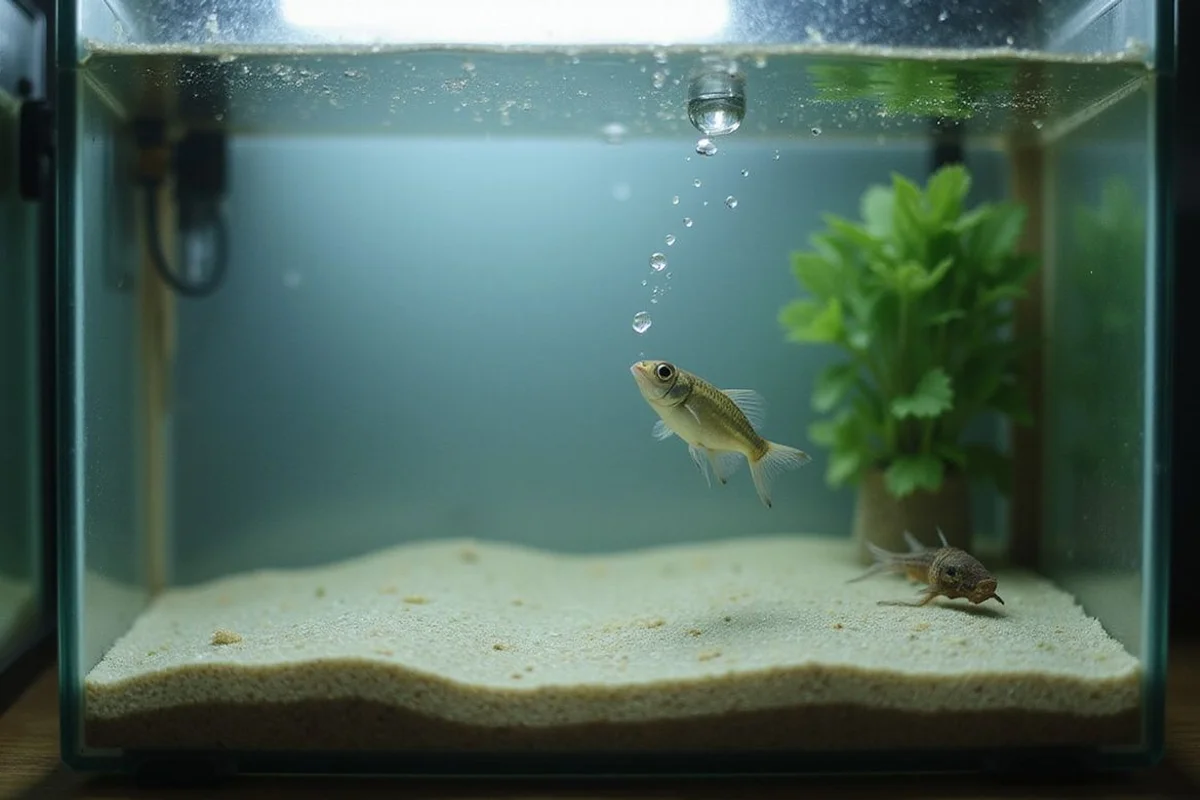
- Fish gasping at the surface for oxygen.
- Multiple deaths occurring within 72 hours of adding fish.
- Ammonia or nitrite readings measuring above 0 ppm.
Our go-to fix is to immediately stop adding fish. Daily 25% water changes with a standard dechlorinator will temporarily bind the toxic ammonia.
Let the process complete naturally (see the nitrogen cycle explained for beginners). To speed up recovery, you can add a high-quality bottled bacteria product.
We highly recommend FritzZyme TurboStart 700 because it contains live nitrifying bacteria that establish colonies quickly. You should also pick up an API Freshwater Master Test Kit, as standard test strips often give false readings.
Cause 2: Overstocking and bioload
Too many fish in too small a tank produces more ammonia than your biological filtration can physically process. We often find that even in a fully cycled tank, this overstocking causes chronic stress and weakens immune systems.
The old rule of one inch of fish per gallon is completely outdated today. A heavy-bodied fish like an Oscar cichlid or a fancy goldfish produces exponentially more waste than a slender neon tetra of similar length.
You will typically notice a few warning signs when a tank is over capacity:
- Water parameters remain elevated despite weekly water changes.
- Fish hide constantly instead of swimming actively.
- Increasing numbers of fish die mysteriously over a span of weeks.
Our team recommends using an online stocking calculator like AqAdvisor to check your true bioload before buying more fish. This tool factors in the adult size of the fish, your specific filter model, and the tank dimensions.
If your tank is overstocked, you need to rehome some fish or upgrade to a larger aquarium. You should also increase your water change frequency and upgrade your filter to a model rated for double your tank’s water volume.
Cause 3: Incompatible tankmates and stress
Mixing aggressive fish with peaceful fish results in slow, stress-induced deaths. The peaceful fish simply hides, stops eating, and gradually weakens over several weeks.
By the time a death looks suspicious, the actual harassment has usually been happening for a month. We frequently see issues when fin-nippers like Tiger Barbs are placed with slow-moving, long-finned fish like Angelfish or male Bettas.
The constant chasing exhausts the victim. Watch for these specific signs of a bullying problem:
- A specific fish hides constantly behind the filter or heater.
- The victim refuses food during feeding time.
- The stressed fish looks pale, thin, or has ragged fins.
- Other fish in the tank appear completely healthy.
You must identify the aggressor, which is usually easiest to spot during feeding time. Rehoming the bully or physically dividing the tank is the best immediate solution.
Our experts also suggest adding tall decorations or thick live plants like Amazon Swords or Java Fern. These elements break up the lines of sight across the aquarium and reduce territorial tension enough that everyone survives.
Before purchasing new pets, always plan ahead. Check out fish compatibility: what to ask before you buy and our community tank stocking for proper planning.
Cause 4: Temperature swings (heater failure)
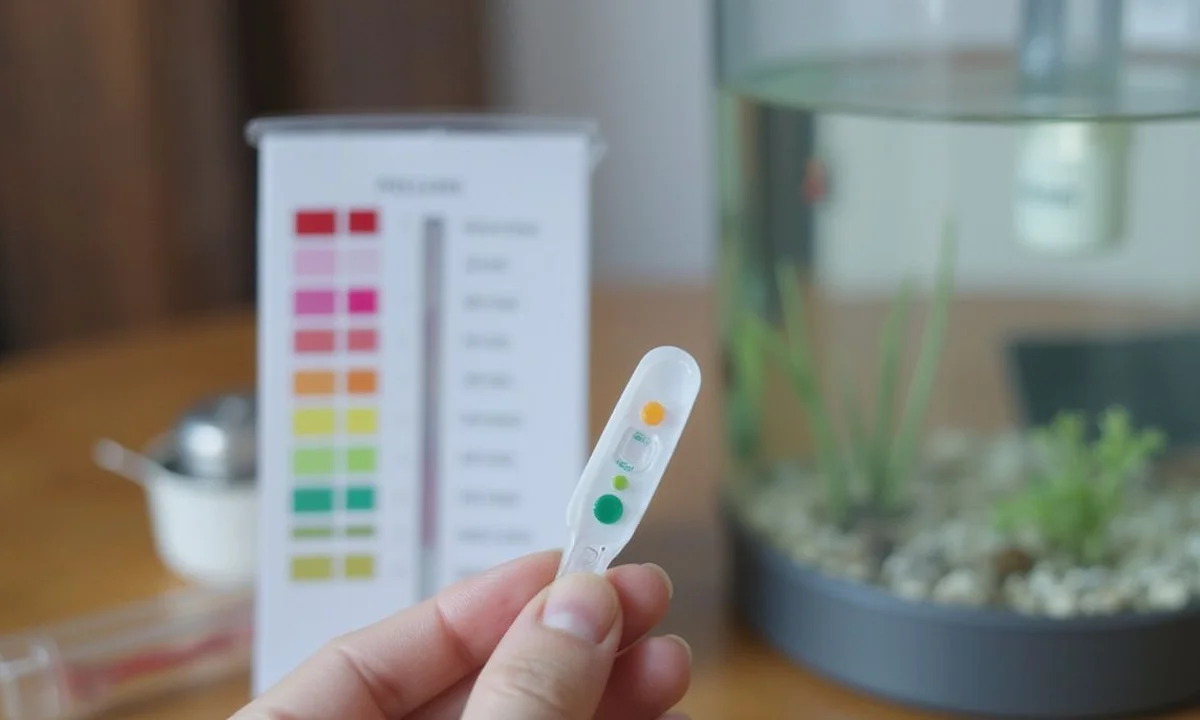
A failed heater is one of the most common silent killers in a home aquarium. Either the heating element stops working entirely, or the internal thermostat sticks in the “on” position and overheats the water.
In the US, regional climate plays a massive role in temperature stability. For example, summer overheating is a serious risk for Florida customers if the home air conditioning fails. Tanks sitting in non-air-conditioned rooms can easily climb above 86°F and quickly kill sensitive tropicals.
These are the typical signs of a temperature-related crash:
- Many or all fish die in a single, sudden event.
- The tank temperature reads well outside the normal 76°F to 80°F range.
- The heater indicator light is obviously permanently off or stuck on.
We strongly advise replacing cheap, generic heaters with reliable, proven brands like the Eheim Jager or Aqueon Pro.
Setting Up a Redundant Heating System
Running two smaller heaters on an external temperature controller is much safer than relying on a single large unit. If one thermostat gets stuck, the external controller will cut the power before the tank boils.
You should follow the standard industry rule of 5 watts of heating power per gallon for tanks under 55 gallons. Our standard practice for a 20-gallon tank is to split the required 100 watts of heating power between two 50-watt devices.
Always keep a backup digital thermometer separate from the built-in heater indicator, as those internal sensors frequently fail.
Cause 5: Source disease
Fish bought from large chain pet stores often arrive carrying contagious illnesses. When added directly to a healthy established tank, the disease rapidly spreads to your existing fish.
We constantly treat incoming fish for common ailments like Ich, fin rot, fungal infections, and internal parasites such as Camallanus worms.
You will usually see these symptoms of source disease:
- The new fish develops visible white spots or clamped fins within a week of arrival.
- Existing fish in the tank start showing similar signs a few days later.
- Fish begin flashing or scratching their bodies against rocks and gravel.
Our standard protocol is to quarantine all new fish in a completely separate bare-bottom tank for at least 14 to 28 days. This window gives you time to observe them and administer broad-spectrum medications like Seachem ParaGuard or API General Cure before introducing them to your display tank.
Buy your livestock from a specialty shop with a real protocol. This careful quarantine process catches most health issues before the fish ever reach the sales floor.
For specific disease identification and treatment options, read about common fish diseases and how quarantine prevents them.
Other less-common causes
Sometimes an aquarium crashes due to a completely unexpected external factor rather than an internal biological failure. We investigate these rare situations when all water tests come back perfect but fish are still struggling.
The following hidden hazards frequently cause mysterious tank crashes:
- Chloramine and Chlorine Toxicity: Untreated US municipal tap water contains deadly disinfectants. Always use a high-quality dechlorinator, like Seachem Prime, even for minor top-offs.
- Medication Overdoses: Treating the water with too much medication is highly lethal, especially for invertebrates like Cherry Shrimp or scaleless fish such as Clown Loaches and Plecos. Always measure doses with a plastic syringe.
- Leaching Decorations: Uncured Mopani wood releases heavy tannins that can rapidly drop the pH level. Similarly, untreated limestone rocks will dissolve and spike the water hardness.
- Airborne Aerosols: Spraying air fresheners, glass cleaners, or insect repellents in the same room is incredibly dangerous. The airborne chemicals easily settle into the open tank water and poison the fish.
- Natural Old Age: Most small tropical schooling fish, like Neon Tetras, naturally live only 3 to 5 years. Some fish pass away simply because they have reached the end of their normal lifespan.
Diagnostic order
When your fish are actively dying, you need to follow a strict process of elimination to find the root cause. We always recommend stepping back, taking a breath, and checking the raw data before making any sudden changes.
The single biggest mistake aquarists make is panicking and tearing down the entire tank. Scrubbing everything clean destroys your beneficial biological filtration and almost always makes the situation worse.
Follow this exact diagnostic checklist to stabilize the tank:
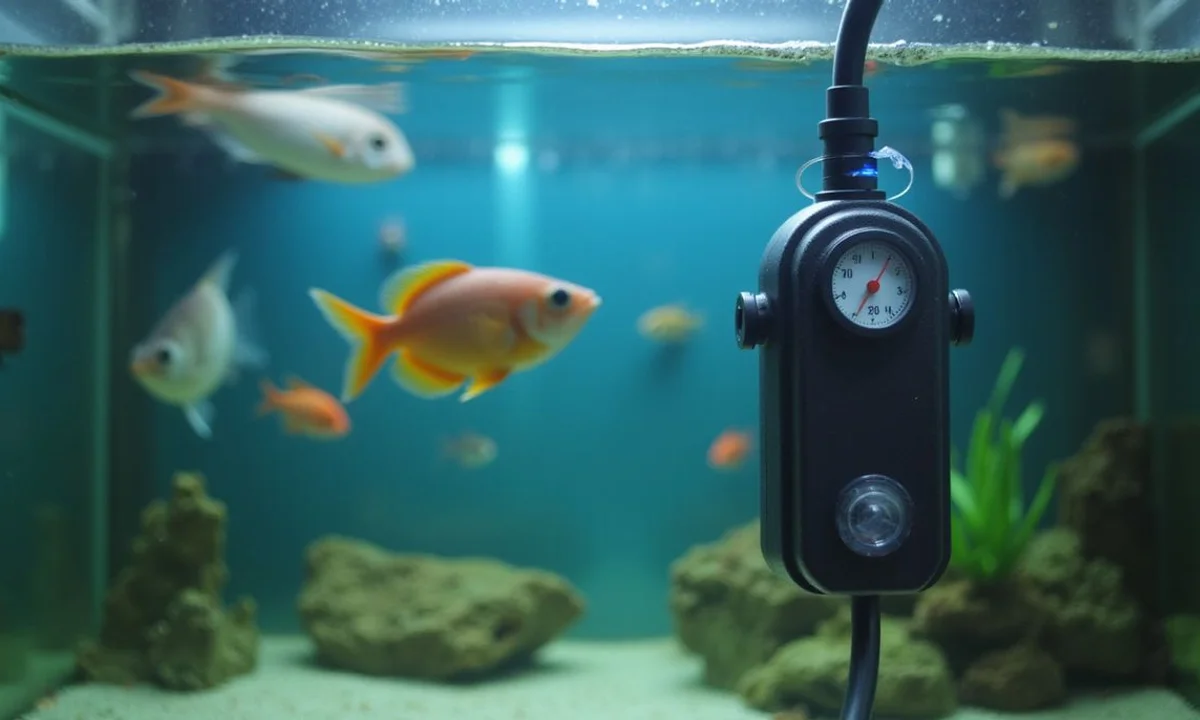
- Test parameters immediately: Use a liquid test kit, like the API Freshwater Master Test Kit, to check ammonia, nitrite, nitrate, pH, and temperature. Liquid tests are vastly more accurate than paper strips.
- Check the equipment: Verify that the heater is actually maintaining the target temperature. Ensure the filter impeller is spinning freely and the lights follow their normal daily schedule.
- Inspect the remaining fish: Look very closely for white spots, fungal growths, torn fins, or strange behavioral changes like gasping at the surface.
- Review recent changes: Did you recently add new fish or swap out the filter media? Have you introduced new decor, changed the fish food brand, or switched to a different tap water source?
Most underlying causes will clearly show up during one of these four steps.
Free water testing
Bring a water sample in a clean container to the store any time. We will run the full panel of liquid tests and walk you through a proper diagnosis.
A simple half-cup of tank water is plenty for the tests to process accurately. This service is completely free, requires no appointment, and carries no obligation to buy anything.
Our doors are open for walk-ins Monday through Saturday from 10 AM to 6 PM, and Sunday from 12 PM to 5 PM.
If you have already lost pets and are wondering why my freshwater fish are dying, please do not give up on the hobby. The team will gladly help you figure out the exact cause and plan out how to restart your aquarium safely. Stop by the shop today so your aquatic pets can thrive again.
Frequently Asked Questions
Why did all my fish die in one night?
Usually ammonia spike, heater failure (overheating or cold shock), or chlorine in untreated tap water. Bring a sample and we'll narrow it down.
Could it be the food?
Rarely the primary cause. Quality food matters but water quality is almost always the bigger driver. Overfeeding (uneaten food rotting) is a much more common food-related issue.
Should I tear down the tank and restart?
Almost never. Diagnose first. Restarting destroys your biological filtration and creates a new cycling problem on top of whatever the original issue was.