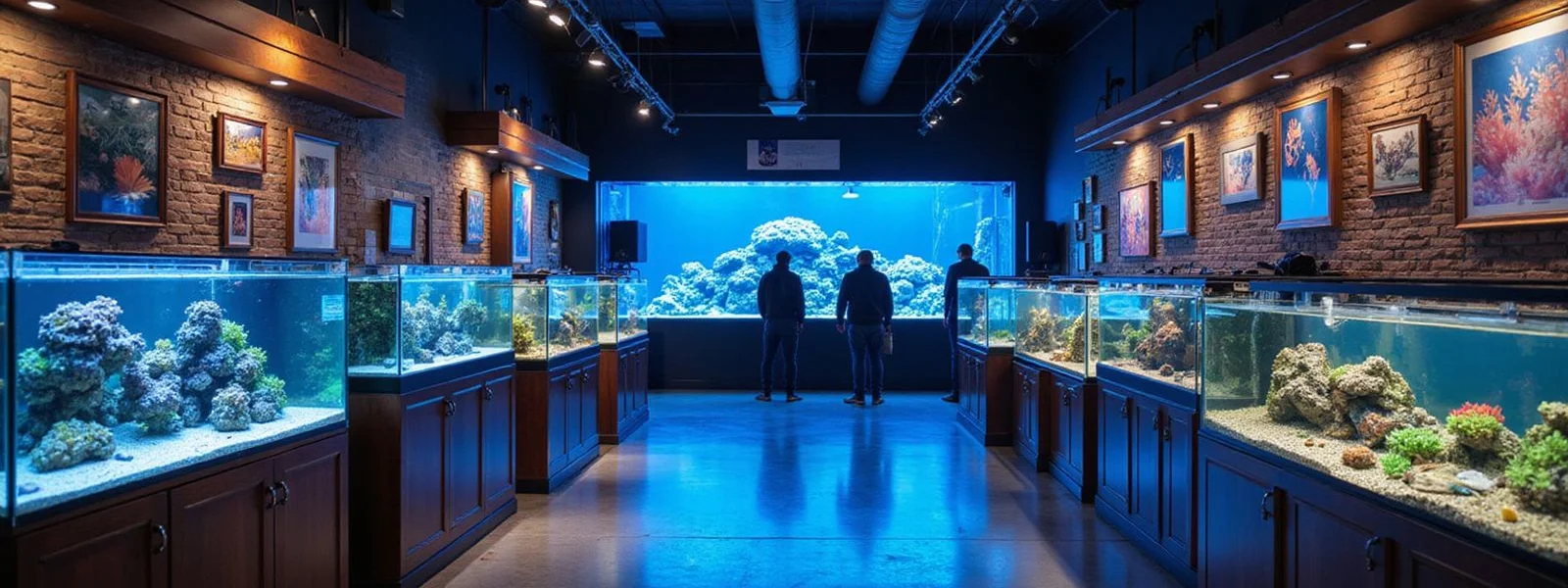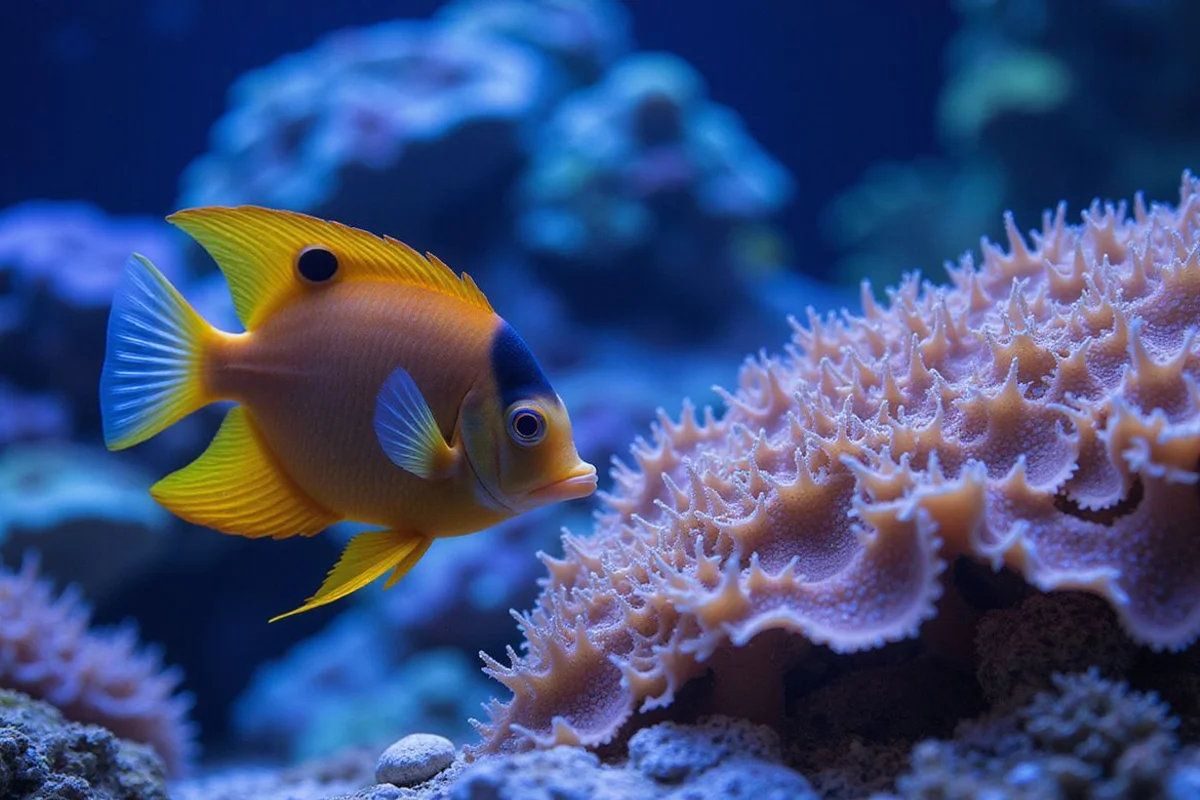
As a professional service team, we have seen too many beautiful office tanks ruined by a single misunderstood fish. The label “reef-safe” gets thrown around as if it means something binary, but it actually does not.
Our experience shows this label just tells you a fish is statistically unlikely to harm corals, clams, or inverts. It is never an absolute guarantee.
We put together this complete reef safe fish list to break down the true reef safe meaning. Let’s look at which families are reliable, which are risky, and which to avoid entirely. If you are still picking your first marine livestock, read this alongside our best beginner saltwater fish guide.
What “reef-safe” actually means for your reef safe fish list
We define a reef-safe fish as one that will not eat or damage your delicate livestock under normal tank conditions. This broad category includes several key types of tank inhabitants:
- Corals: soft, LPS, SPS.
- Clams: tridacna species.
- Polyp inverts: zoanthids, palythoa, mushrooms.
- Crustacean inverts: shrimp, hermit crabs.
Our team always reminds clients that this label is statistical rather than absolute. A fish family with a 95% safety track record might still produce a rogue individual that develops a taste for expensive coral. We understand why specialty shops add “with caveats” to many species.
The family is generally safe, but you still have to watch the individual. Our primary concern is the massive financial investment required for a modern US reef tank. Prized pieces like a Holy Grail Torch coral routinely sell for up to $600 per head.
Single non reef safe fish can do thousands of dollars of coral damage in one afternoon feeding event, destroying years of careful maintenance.
Reliably reef-safe families
We highly recommend several fish families that almost never cause coral problems. You can add these freely to a home or office setup:
- Gobies: watchman, neon, hi-fin, scissortail, all the small benthic species. Eat copepods and prepared food; ignore corals.
- Blennies: tailspot, midas, lawnmower, starry, bicolor. Graze algae; leave corals alone. (Note: lawnmower blennies can occasionally nip large polyp corals if hungry.)
- Most small wrasses: six-line, fairy, flasher, possum, leopard. Active and reef-safe. Some are tankmate-aggressive though.
- Dottybacks and basslets: royal gramma, neon dottyback, swissguard basslet. Peaceful with corals.
- Cardinals: Banggai, pajama, longspine. Slow and reef-safe.
- Captive-bred clownfish: universally reef-safe.
Our favorite addition to any beginner setup is the captive-bred clownfish. Over 34 species of clownfish are now bred in captivity here in the US, with breeders like ORA holding nearly half the market share.
We love this sustainable sourcing because it makes these fish much hardier. Wild-caught clownfish are also completely safe, but they stress much easier during the transition to a glass box.
Risky-with-caveats families
We consider the next group of fish to be risky with caveats. These families are usually safe but produce enough exceptions that you need to watch them closely:
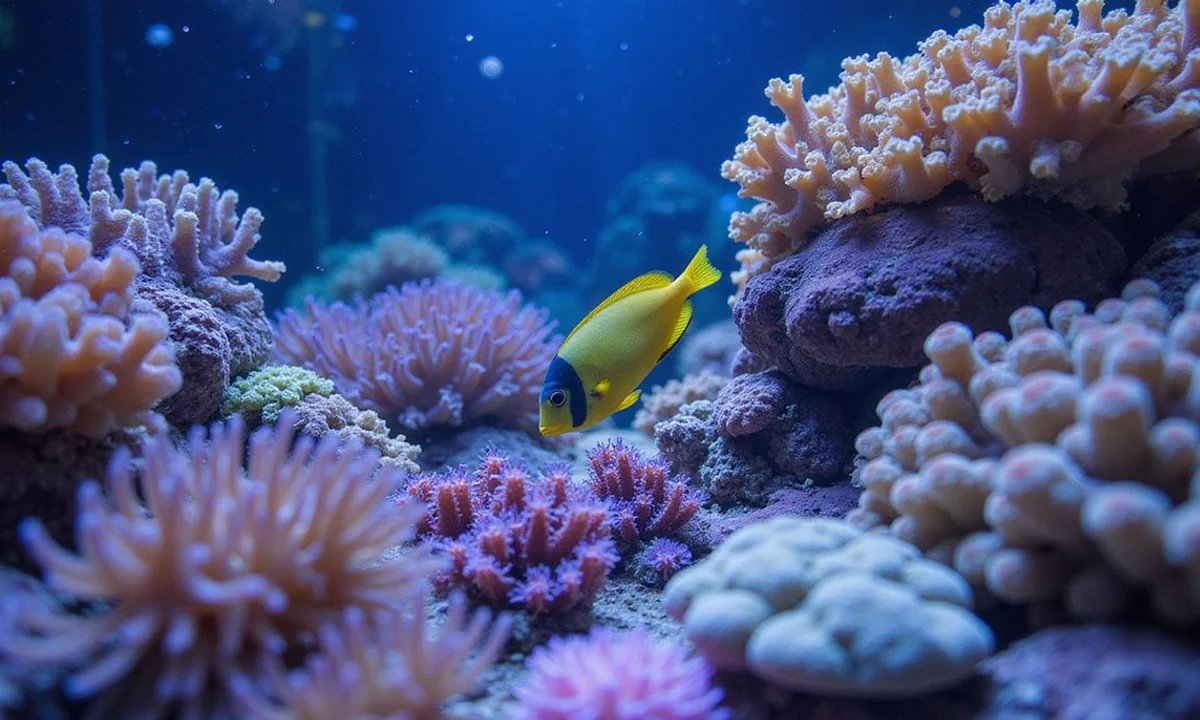
- Dwarf, Large, and Pygmy Angels: Species like the Coral Beauty, Flame, Queen, and Emperor present varying risks. While some dwarf and pygmy angels leave corals alone, others develop a habit of nipping LPS or clams. Large angels will almost always eat corals.
- Some Butterflyfish: Pakistani butterflyfish and bannerfish are sometimes safe; most other butterflies will actively eat polyps and clams.
- Triggerfish (some): Pinktail and Niger triggers are sometimes safe with corals but always eat invertebrates.
- Anthias: These are generally safe but aggressively compete with corals for food and add a high bioload to your system.
- Hawkfish: These are safe with corals but will eat shrimp, small fish, and crabs. Crab-safe hawkfish do not really exist.
Our service technicians often get asked about the stunning Flame Angelfish. These popular dwarf angels follow an 80/20 rule, meaning about 20 percent of them will eventually nip at fleshy LPS corals or clam mantles if they get hungry.
We know from experience that you simply cannot stop this behavior once it starts. Most large angels will actively eat corals, so consider them entirely unsafe unless you have specific knowledge of a rare exception. Anthias are generally safe, but they aggressively compete with corals for food and add a high bioload to your system.
Definitely not reef-safe
We strongly advise keeping the following fish out of your delicate environments. These species will reliably damage a reef tank:
- Most large angels: Queens, Kings, Emperors. Big appetites, will eat corals and clams.
- Most triggerfish: Clown, Undulated, Titan. Eat inverts and damage corals.
- Large pufferfish: Stars-and-stripes, Dogface. Eat inverts and corals.
- Predatory fish: groupers, lionfish, snappers. Eat fish, eat shrimp, ignore corals but inappropriate for most reef tanks for other reasons.
- Adult Yellow Tangs in some cases: rarely, an adult yellow tang will start nipping certain LPS. Most do not; some do.
Our team has directly observed how destructive a large triggerfish can be. The massive Titan Triggerfish, for example, can grow up to 30 inches long and is known to aggressively bite scuba divers in the wild.
We guarantee these powerful fish will easily crush your snails, crabs, and hard corals. Rarely, an adult yellow tang will start nipping certain LPS corals, though most do not cause any issues.
Questions to ask before buying any new fish for a reef
We want you to be completely prepared before bringing a new pet home. The “reef-safe” label gets stickered by some chain stores on almost everything, so you have to dig deeper.
Our research shows that most major US online retailers only offer a 7 to 14-day guarantee. This is usually for store credit rather than a full refund, making returns a huge hassle. We recommend asking the staff these specific questions to avoid buyer’s remorse:
- “Is this species reef-safe?” Expect a nuanced answer, not just a simple yes.
- “Have you seen individuals from this family nip corals?” If staff says never, they have not kept enough of them.
- “What corals does it specifically risk?” Clams, LPS, zoanthids, SPS. Different fish target different things.
- “What is the adult behavior vs juvenile behavior?” Some species are juvenile-safe and adult-problem.
- “What does the rest of my livestock list look like with this fish?” Tankmate-safe is a separate question from reef-safe.
A nuanced answer from the store staff shows actual expertise. Tankmate compatibility is a completely separate question from reef compatibility, so factor both into your decision.
Always watch new additions
We highly recommend watching even the most reliably safe fish for the first two to three weeks after adding them to a tank. Hunger sometimes triggers nipping, so feeding them more often is a great first action option.
Our secondary action options are to remove the fish completely or just accept some minor coral damage as the cost of keeping them. There is absolutely no medication or chemical treatment that stops a fish from biting corals.
We proudly run Gulf Coast Aquatics and will tell you upfront when a fish is risky with caveats. If you are planning a reef-focused tank, come in with your current livestock list and we will work through what is safe to add to your reef safe fish list.
Frequently Asked Questions
Are six-line wrasses really reef-safe?
Generally yes — they don't bother corals. But they can harass smaller peaceful fish in nano tanks. Reef-safe doesn't always mean tankmate-safe.
What about Coral Beauty angels?
Often labelled reef-safe but individual fish can nip clams, LPS or zoanthids. Risky with caveats — some are perfectly behaved, others develop a taste for coral that you can't reverse.
Is anything 100% reef-safe?
Nothing is guaranteed. Even 'safe' species can become problem fish if hungry or stressed. The families listed below are statistically safest — but always watch new additions closely for the first few weeks.