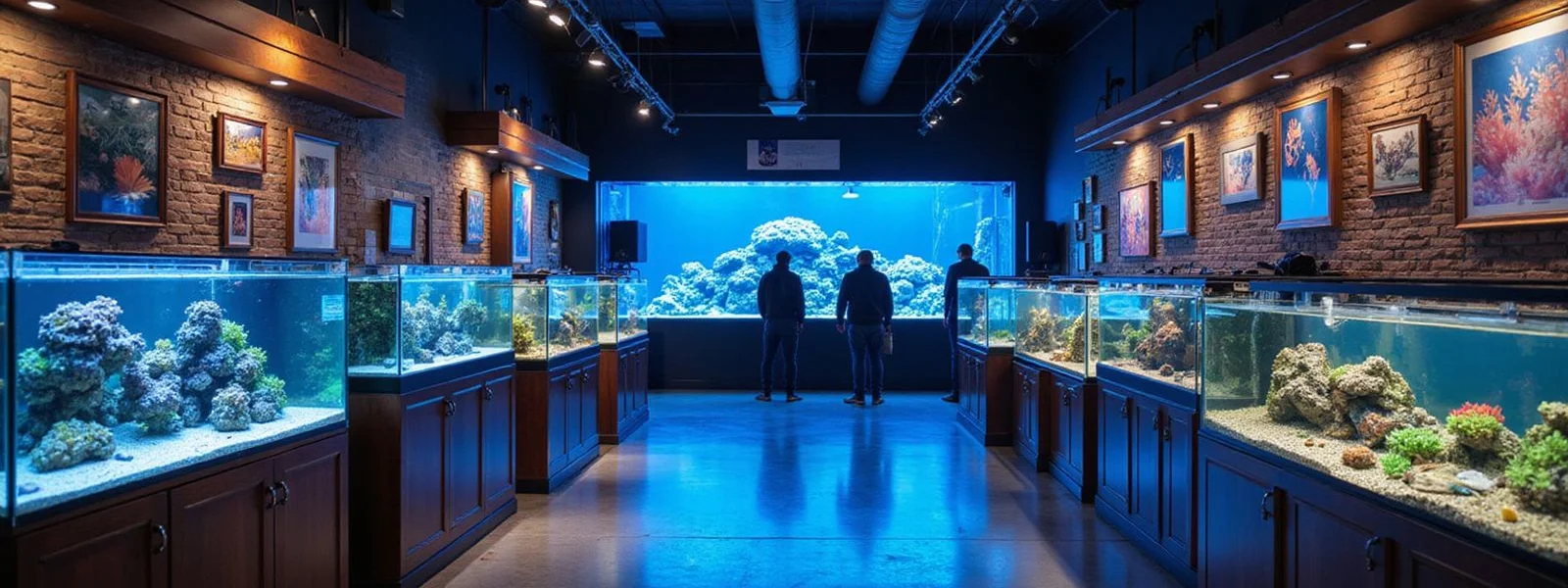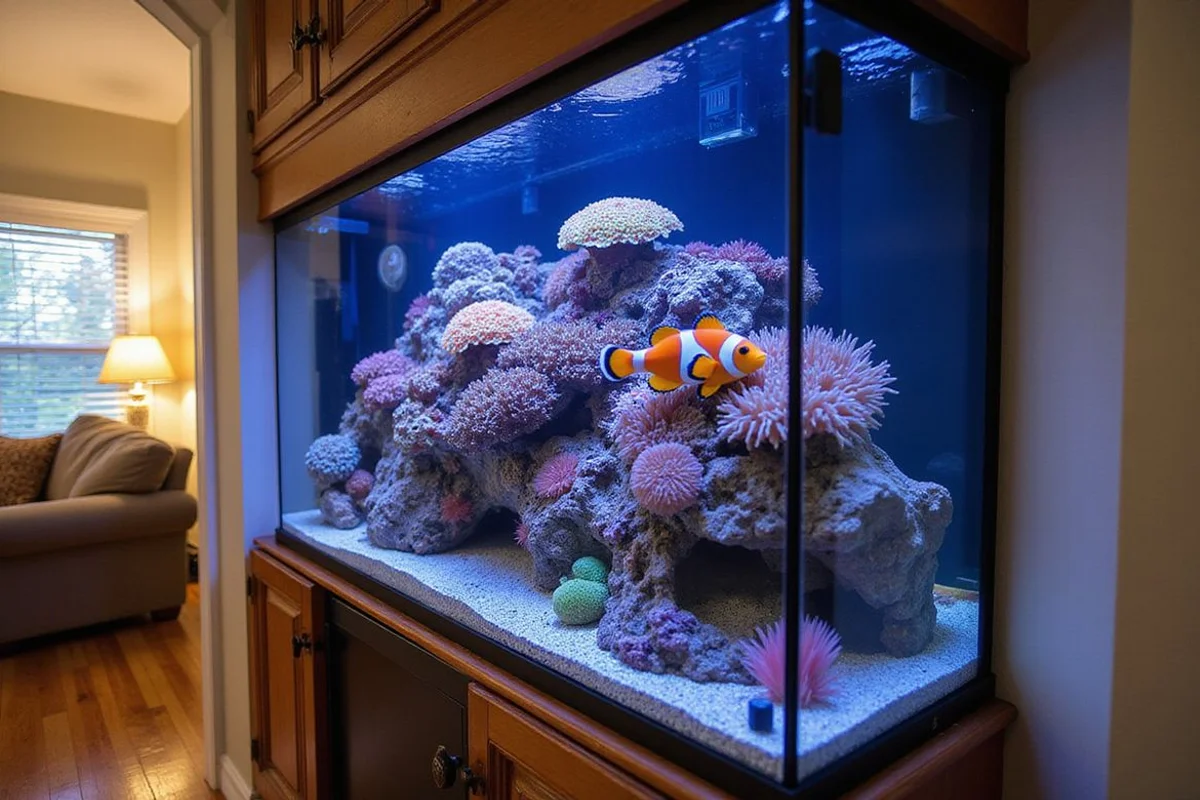
Planning your first reef tank Sarasota build feels like learning a completely new language. From what I have seen, the difference between a thriving local tank and a frustrating struggle comes down entirely to the planning phase.
We walk through this exact build sequence with new reefers every week at Gulf Coast Aquatics. The resulting clarity saves money and prevents heartbreak.
Let us break down the exact equipment, timeline, and budget you need for a successful starter reef tank.
Tank size: 40-75 gallons is the sweet spot
A 40 to 75-gallon aquarium provides the ideal balance of water stability and manageable costs for a beginner reef tank build. Smaller tanks swing out of balance too fast, while larger tanks demand massive equipment upgrades.
We consistently recommend a 75-gallon setup for local living rooms. A standard 48-inch by 18-inch footprint fits beautifully against most walls, and the 75-gallon water volume provides excellent dilution for typical beginner mistakes.
- 20-29 gallons: Possible for soft-only nano reefs. These are highly demanding in terms of water stability and strict stocking limits.
- 40-55 gallons: The smallest size appropriate for a first mixed reef. You get room for fish, corals, and a real skimmer, making AIO (all-in-one) cubes a great fit here.
- 75 gallons: The absolute sweet spot for most first reefs. You gain enough room for a small tang, several gobies or wrasses, and a meaningful coral collection.
- 120+ gallons: Better stability, but takes significantly more equipment, salt, and space. Most first-time reefers do not need this massive size yet.
Equipment list
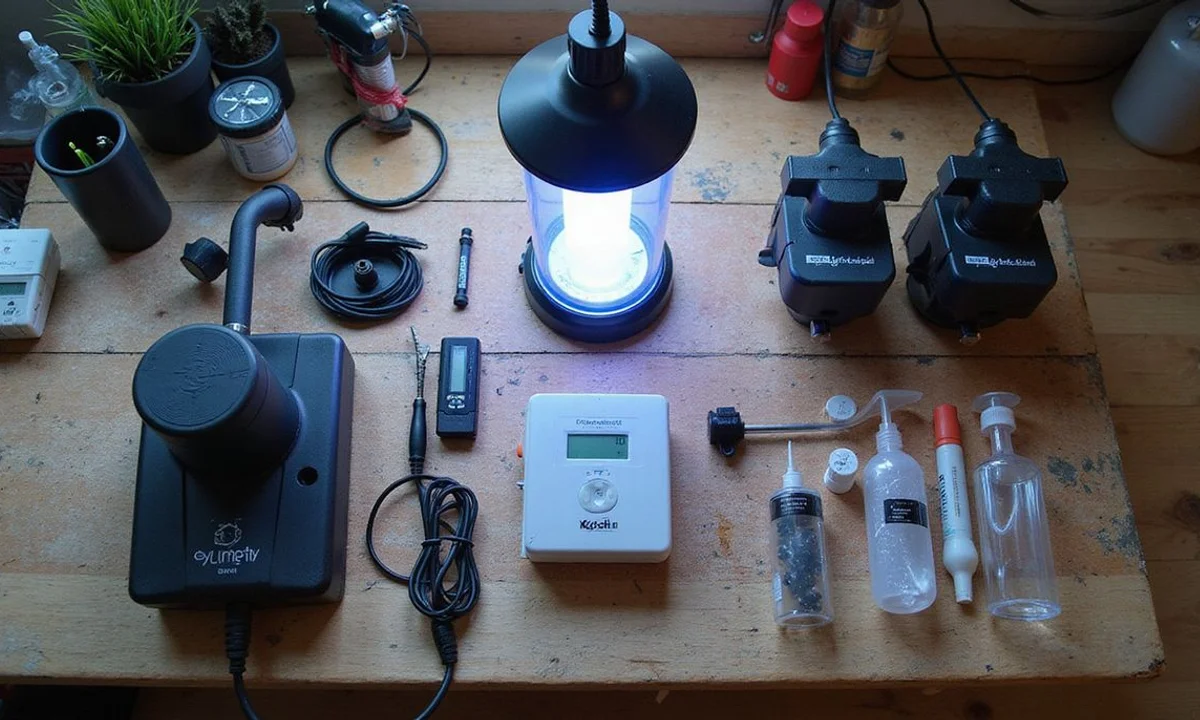
You need nine core pieces of gear to keep corals and marine fish alive. Cutting corners on filtration or lighting will cost you more money down the road.
Tank, stand, and lid
A standard glass 75-gallon aquarium weighs around 850 pounds when fully loaded with rock and water. You must buy a structurally reinforced stand rated for aquariums. An open-top design requires a custom mesh screen, like a ClearView Lid, to prevent fish from jumping out.
Filtration
A sump system with a built-in overflow is the undisputed gold standard for marine tanks. This external glass box sits inside your stand to hide unsightly heaters and pumps. If plumbing sounds intimidating, an All-In-One (AIO) aquarium from Waterbox or Innovative Marine keeps the filtration chambers hidden right behind the display glass.
Protein skimmer
This is your most critical piece of filtration gear. A skimmer removes dissolved organic waste before it rots into toxic nitrate.
We trust brands like Reef Octopus and Bubble Magus for reliable foam production. Expect to spend between $200 and $500 for a quality skimmer rated for a 75-gallon system.
Lighting
Corals rely on specific spectrums of light to survive through photosynthesis. Hardware store shop lights will grow massive amounts of ugly algae instead of healthy corals. AI Hydra 32HD and Kessil A360X fixtures provide the exact blue and UV spectrums required for growth. Budget roughly $300 to $700 to light a 4-foot tank properly.
Flow
Ocean reefs are chaotic environments, and your tank needs aggressive water movement. Two dedicated powerheads will eliminate dead spots where detritus settles. EcoTech Marine VorTech MP40s and Maxspect Gyres are industry favorites for creating sweeping, random currents. Plan to spend $150 to $400 on quality flow pumps.
Heater
Tropical corals require steady water temperatures between 76 and 79 degrees Fahrenheit.
We install two 100-watt Eheim Jager heaters hooked up to an Inkbird ITC-306A controller. This redundancy prevents a single stuck heater from boiling your tank.
RO/DI water filter
Using a Reverse Osmosis Deionization unit is absolutely mandatory in Florida. Sarasota tap water contains high levels of silicates and heavy metals that will fuel toxic algae blooms. A standard BRS 4-stage RO/DI unit costs about $250 and easily attaches to a laundry sink.
Salt mix
High-quality salt forms the chemical foundation of your mini ocean. Bargain brands often suffer from inconsistent calcium and alkalinity levels between batches. Tropic Marin Pro-Reef and Red Sea Coral Pro mix cleanly and keep parameters exactly where corals need them.
Test kits
You must test your water weekly to catch invisible parameter swings. Salifert makes excellent drop test kits for nitrate and phosphate. Once you start growing hard corals, Hanna Instruments Marine Master checkers provide highly accurate digital readouts for alkalinity and calcium.
Cycle timeline
Establishing the biological filtration in a new saltwater aquarium takes anywhere from four to six weeks. You cannot safely add fish until beneficial bacteria colonize the rocks.
See cycling a saltwater tank for the full procedure. Modern bottled bacteria products, like FritzZyme TurboStart 900, can accelerate this typical 75-gallon timeline:
- Week 1-2: Mix saltwater, add dry Marco rock, and dose pure liquid ammonia to start the cycle.
- Week 2-4: Ammonia levels drop to zero while toxic nitrite spikes.
- Week 4-6: Nitrite vanishes, nitrate climbs steadily, and the biological cycle finishes.
- Week 6: Introduce your first hardy inhabitants, such as a captive-bred clownfish or a watchman goby.
Stocking sequence
Rushing the addition of fish and corals is the fastest way to crash a new system. A slow, methodical stocking plan prevents ammonia spikes and territorial aggression.
We constantly remind new clients that nothing good happens fast in a reef tank. The patience you show in the first six months pays massive dividends later.
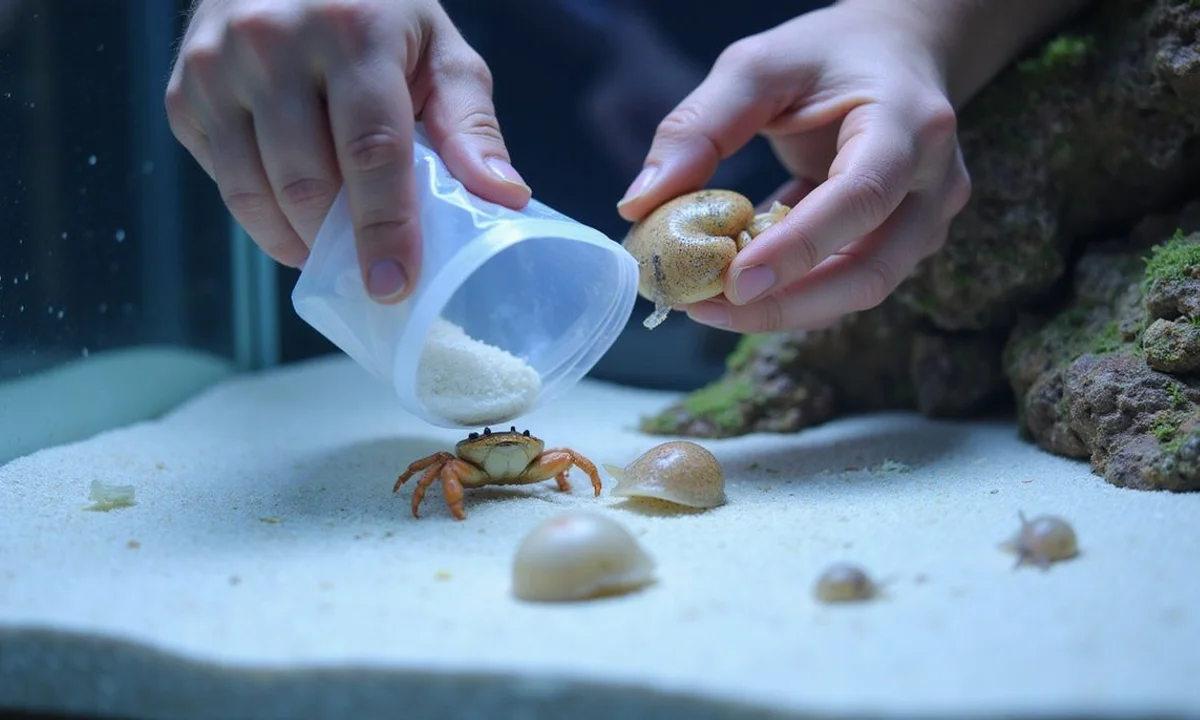
- Cycle complete: Add a clean-up crew of 15-20 hermit crabs, 10-15 Astraea snails, and a skunk cleaner shrimp. Wait one full week.
- Week 7-8: Add one or two hardy starter fish, like a clownfish pair or a watchman goby.
- Week 9-12: Monitor water parameters closely and perform weekly 10% water changes. Observe your livestock.
- Month 3: Introduce your first beginner soft corals, like Green Star Polyps or Zoanthids. See best beginner corals.
- Month 4-5: Expand your soft coral collection and add a peaceful wrasse or blenny if your nutrient levels are stable.
- Month 6: Try your first Large Polyp Stony (LPS) corals, such as a Hammer, Frogspawn, or Candy Cane.
- Month 9-12: Add sensitive Small Polyp Stony (SPS) corals only if your alkalinity is rock-solid. A 75-gallon tank can now support a small Yellow Tang.
- Year 1+: Maintain routine husbandry on your fully stocked mixed reef.
Realistic budget
Expect to spend between $1,200 and $3,500 to get a 75-gallon reef fully equipped and running. Ongoing maintenance, salt, and food will add roughly $50 to $100 per month.
| Tier | Total Cost | Breakdown & Strategy |
|---|---|---|
| Lean | $1,200 | Sourcing a used tank and skimmer cuts costs. Requires careful testing and manual dosing. |
| Standard | $1,800-$2,500 | Includes a new drilled tank, AI or Kessil LEDs, and a fresh 4-stage RO/DI unit. This is the most common path. |
| Premium | $3,500+ | Features custom plumbing, a high-end Bubble Magus Curve skimmer, and automated parameter testing. |
Sarasota-specific notes
Keeping a marine tank in Southwest Florida presents a few unique regional challenges. Knowing how to handle local water conditions and weather events is critical for long-term success.
- RO/DI is mandatory: Sarasota County municipal water frequently tests with Total Dissolved Solids (TDS) between 350 and 450 ppm. Mixing reef salt into tap water guarantees toxic algae outbreaks.
- Red tide management: Severe coastal Karenia brevis blooms can introduce airborne toxins into your home. Running premium activated carbon helps protect your tank. See red tide and your home saltwater aquarium.
- Summer heat: Florida living rooms easily jump past 78 degrees in July and August. A dedicated aquarium chiller or strong central AC is necessary to prevent coral bleaching.
- Hurricane prep: Power outages are a fact of life during storm season. A portable power station, like an EcoFlow RIVER 2, will run a vital powerhead and skimmer for days when the grid goes down. Tanks can survive 24-48 hours without filtration, but they cannot survive without flow.
Planning visit
Bringing your rough measurements and budget ideas into the shop is the best way to start. A quick conversation can prevent expensive buying mistakes. We provide free, 30-minute consultation sessions to help you map out the perfect setup.
The retail aquarium kits at big box stores often use subpar lights, so getting local advice is smart. Our team does not hard-sell complete packaged setups. Sourcing your glass from a local fabricator and ordering specific dry goods online is often the better route.
- Equipment Breakdown: We will gladly sit down, explain what each component does, and tell you exactly where to save money.
- Healthy Livestock: Once your glass box is plumbed and cycling, you will need a trusted source for healthy fish and corals.
We quarantine all fish and dip every coral fragment before they hit the display tanks. See you at the store to start your build.
Frequently Asked Questions
What's the minimum realistic budget?
About $500 for a basic 30-gallon FOWLR setup. Reef-capable builds start around $1,200 once you add a quality skimmer, reef lighting and RO/DI. Most first reefs we see come in around $1,500-$2,500.
Should I start with a kit or build piece by piece?
Most kits skip the gear that matters most (skimmer, reef lighting). Building piece by piece is usually better for a reef. Spend on the skimmer and light; tank itself can be modest.
How long before I can add SPS?
Most successful tanks add SPS at 6-12 months, once parameters have been stable for several months. Earlier than that is usually a parameter or microbiology failure waiting to happen.