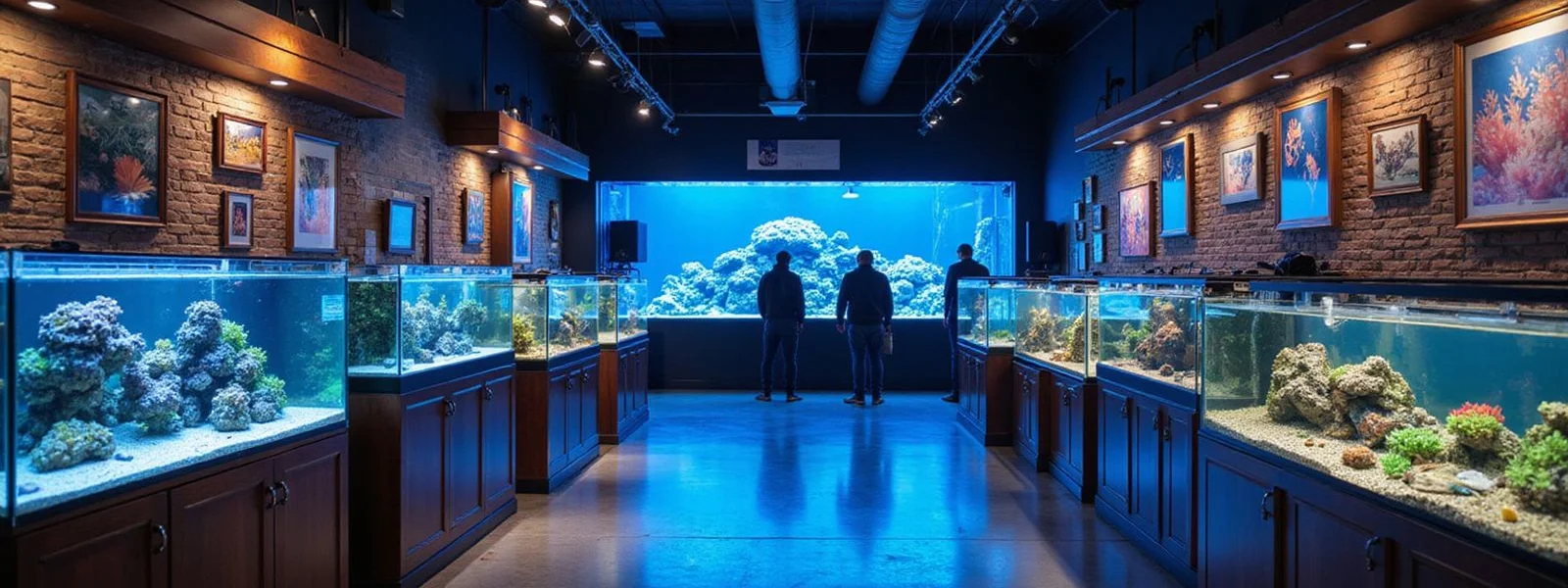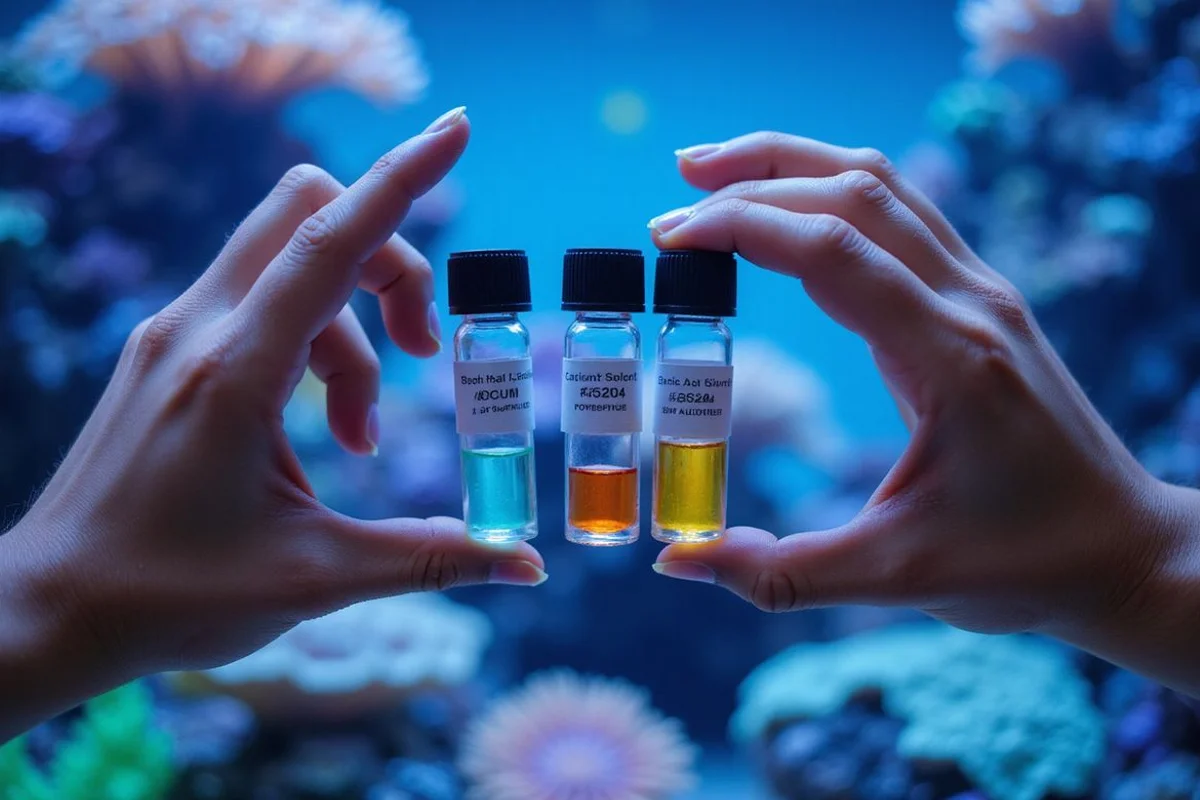
You already know the excitement of adding a new piece to your reef, but rushing the process is the fastest way to lose an expensive frag. Before browsing our coral and reef livestock room or making any purchase, run through this tank ready for coral parameters checklist to ensure your system can sustain life.
Losing a $150 beginner frag pack from a popular US vendor like World Wide Corals just plain hurts.
Our team sees most coral failures happen simply because the water chemistry was not stable yet. Taking five minutes for a parameter test saves you from flushing hundreds of dollars down the drain.
For free in-store water testing, bring a sample (1 cup is plenty) to Gulf Coast Aquatics any time we are open. Let’s look at the exact numbers you need, why they matter biologically, and how to keep them rock solid over time.
Target parameters
These target reef tank parameters act as the foundation for a successful reef. They directly match the chemistry of natural ocean reefs to keep your corals thriving.
| Parameter | Target | Notes |
|---|---|---|
| Salinity | 1.025 (35 ppt) | Specific gravity, refractometer-tested |
| Calcium | 420-450 ppm | Higher for SPS-heavy tanks |
| Alkalinity | 8-10 dKH | Stability matters more than exact number |
| Magnesium | 1300-1400 ppm | Often forgotten; affects calcium uptake |
| Nitrate | 1-10 ppm | NOT zero |
| Phosphate | 0.03-0.10 ppm | NOT zero |
| Temperature | 76-78°F | Stable, within 1°F per day |
| pH | 8.0-8.4 | Daily swing usually 0.1-0.3 |
The order of operations matters immensely for a stable ecosystem. Salinity, temperature, and basic biological filtration must be dialed in first before moving on to alkalinity stability.
Our protocol focuses on calcium and magnesium next. Finally, you can effectively manage your nutrients.
Why each parameter matters
Each coral water parameter plays a specific biological role in coral health. Understanding these roles helps you diagnose problems before they become fatal.
Salinity (1.025)
Target a steady salinity of 1.025 to 1.026 for a reef aquarium. Most corals come from ocean waters at this exact concentration.
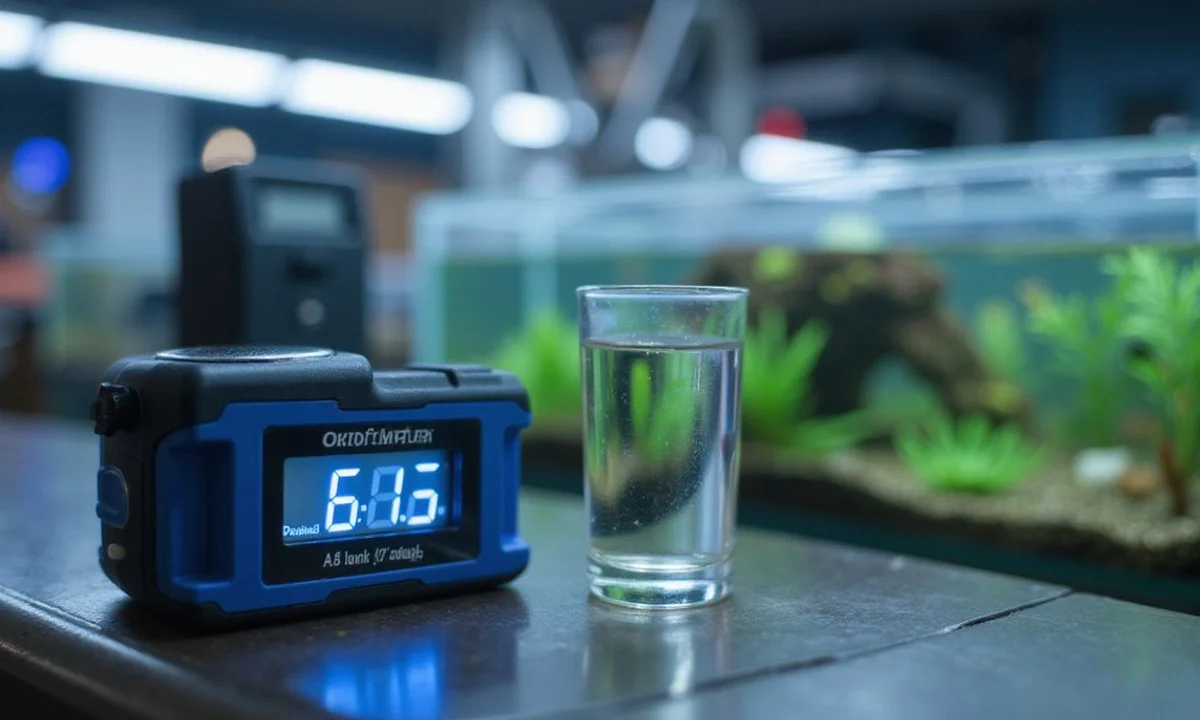
Dropping below 1.022 places stony corals into severe osmotic stress, while climbing above 1.027 creates equally harmful conditions. We highly recommend using a digital tester like the Milwaukee Instruments seawater refractometer or Hanna salinity checker.
These digital tools cost around $70 in the US but completely eliminate the guesswork of cheap swing-arm hydrometers. Calibrate your device with a standard 35 ppt calibration fluid every few months for total accuracy.
Calcium (420-450 ppm)
Calcium serves as the primary building block for coral skeletons. Soft corals consume very little, while LPS and SPS corals use a massive amount.
If your calcium drops below 380 ppm, skeleton growth grinds to a halt. Pushing it above 480 ppm creates a severe precipitation risk.
Our experience shows that excess calcium bonds with alkalinity to form useless white crusts on your heaters and internal pumps. A heavily stocked acropora tank easily consumes 20 to 30 ppm of calcium daily, requiring strict monitoring.
Alkalinity (8-10 dKH): the most important
Alkalinity acts as the chemical buffer that protects pH and fuels skeleton formation. Sensitive SPS corals demand absolute stability in this category.
A sudden 1 dKH drop within 24 hours often causes rapid tissue necrosis (RTN) in acropora. Consistency always beats hitting a specific, arbitrary number.
A tank held perfectly at 7.8 dKH stays much healthier than one swinging erratically between 7.5 and 9.5. We use automated testers like the Neptune Systems Trident to monitor alkalinity four times a day and prevent these deadly swings.
Magnesium (1300-1400 ppm)
Magnesium prevents your calcium and alkalinity from precipitating out of the water column. Low magnesium levels make dosing those other two elements completely useless.
The water chemistry simply will not behave if magnesium falls below 1200 ppm. Test this parameter monthly with a reliable kit like the Red Sea Magnesium Pro to ensure a balanced system.
Our maintenance routine includes dosing liquid magnesium whenever the level dips below 1300 ppm.
Nitrate (1-10 ppm)
Your corals require nitrogen for their symbiotic algae (zooxanthellae) to function and produce energy. Zero nitrate literally starves the coral.
Starving corals quickly pale, expel their algae, and bleach entirely. Instead, they might turn a muddy brown as they absorb darker zooxanthellae to survive the nutrient shortage.
Recent testing by Bulk Reef Supply confirms that stripping nutrients to zero often triggers toxic dinoflagellate outbreaks. Keep nitrates between 5 and 10 ppm for a mixed reef, or 1 to 5 ppm for an SPS-heavy system.
Phosphate (0.03-0.10 ppm)
Phosphates follow a very similar biological rule to nitrates. A zero phosphate reading starves the animal, while anything above 0.10 ppm fuels aggressive nuisance algae.
High phosphates also actively slow down the calcification process in stony corals. Aim for a tight range of 0.03 to 0.07 ppm for the best results.
We prefer testing this with the Hanna Ultra Low Range (ULR) Phosphorus Checker. It provides a precise digital readout that standard color-changing test kits simply cannot match.
Tank age requirements
Tank maturity dictates your coral success just as much as perfect water chemistry. A brand new system lacks the necessary bacterial diversity to support delicate life.
Even with ideal parameters, you must follow a strict timeline based on the type of coral:
- Soft corals (zoanthids, mushrooms, leathers): 3 months minimum
- LPS (hammers, frogspawn, candy canes, acans): 4-6 months
- SPS (montipora, birdsnest): 6-9 months
- Acropora: 9-12+ months, parameter-stable
The age requirement relies entirely on the broader microbial community maturing. AquaBiomics DNA testing shows it takes several months for stable, coral-friendly pelagibacteraceae bacteria to establish in a new saltwater system.
Our data proves that a two-month-old tank experiences wild nutrient fluctuations. It will kill far more corals than a six-month-old tank showing the exact same numbers on paper.
Stability beats perfection
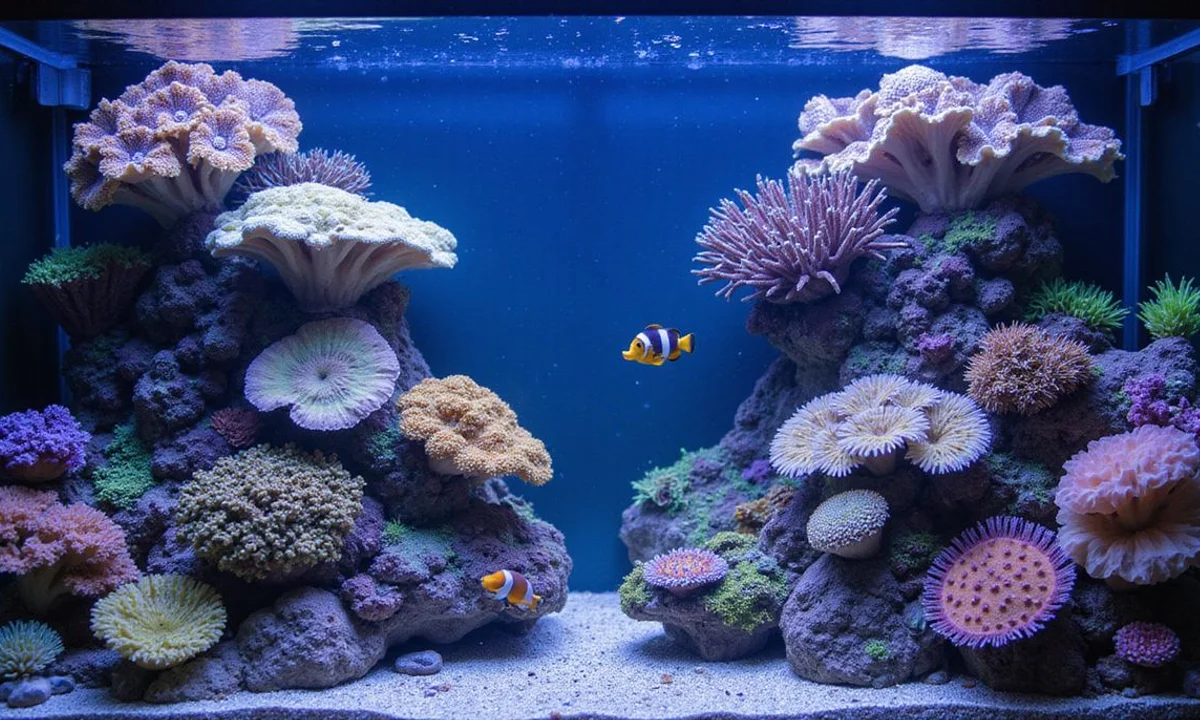
Consistent water parameters keep corals alive significantly longer than constantly chasing the ideal numbers. Stability allows the animals to adapt safely to their environment.
Set your targets, hit them with patience, and then lock them in. Focus on these three core habits for long-term success:
- Test your water at the same time each day.
- Make adjustments in small, measured increments.
- Use reliable equipment to automate daily maintenance.
Automated hardware like the Neptune DOS or Kamoer X1 continuous dosing pumps make this incredibly easy for busy business owners and homeowners. Never try to correct a 0.5 dKH drift overnight.
Our approach brings the levels back gradually over a full week to avoid shocking the system.
For dosing basics, see dosing for beginner reefers.
Free in-store water testing
Bring a cup of your tank water to the store to verify your tank ready for coral parameters. The entire process takes about 10 minutes, and no purchase is required.
We run tests for salinity, calcium, alkalinity, magnesium, nitrate, and phosphate. Professional-grade Salifert and Hanna kits ensure high accuracy for these readings.
Here is what you can expect during your visit:
- A clear explanation of your current chemistry.
- Actionable steps to correct any imbalances.
- A realistic timeline for adding your first coral.
If your parameters check out and the tank has aged appropriately, we will show you some great options. Check out this best beginner corals list for ideas.
If the water needs work, we tell you exactly what to adjust and how long to wait.
Frequently Asked Questions
Why does tank age matter?
Microbial communities take months to mature. New tanks have unstable nutrient cycles and bacterial populations that stress corals even when parameters look fine on paper. 3-6 months minimum, longer for SPS.
Can I add coral before nitrate is at 0?
Yes — most corals prefer 1-10 ppm nitrate. Zero nitrate often causes pale, browned or starving corals. The 'ultra-low nutrient' approach is harder than just running nitrate at 5-10.
What's the single most important parameter?
Alkalinity stability. Swings of more than 0.5 dKH per day stress SPS corals fast. A perfectly 'normal' alkalinity that swings is worse than a slightly off value held steady.